PelviFit

Specialist pelvic physiotherapy in Alcobendas, Madrid

Personalised treatment for women, men and children experiencing pelvic pain, bladder or bowel problems, pregnancy and postpartum concerns, sexual pain or pelvic floor dysfunction.

Not sure whether we can help?

Send us a message and we will guide you.

40+ years

combined experience

Registered

physiotherapists

Women, men and children

specialist care

4 languages

English, Spanish, Dutch and French

Can pelvic physiotherapy help me?

Pelvic health problems are common, but they should not simply be accepted as part of ageing, pregnancy or childbirth. Select the symptom that sounds most familiar to learn how pelvic physiotherapy may help.

Explore the questions below to see how we may be able to help.

Leaking urine during coughing, sneezing, jumping, running or lifting is often called stress urinary incontinence.

Pelvic physiotherapy can help identify why this is happening. Treatment may include pelvic floor muscle training, breathing and pressure management, bladder advice and a gradual return to exercise.

You do not need to wait until the leaking becomes severe before asking for help.

How we may help: Pelvic floor assessment, personalised exercises, movement advice and biofeedback when appropriate.

Needing to urinate very frequently, rushing to the toilet or worrying that you may not make it in time can significantly affect daily life.

Pelvic physiotherapy may help you understand what is triggering the urgency and retrain the communication between your bladder, pelvic floor and nervous system.

Treatment may include bladder training, pelvic floor relaxation or strengthening, breathing techniques and practical advice about fluids and toilet habits.

How we may help: Bladder retraining, urgency-control strategies and personalised pelvic floor treatment.

Pain during sex, penetration, tampon use or gynaecological examinations is not something you should have to tolerate.

Pain can be related to overly tense pelvic floor muscles, scar tissue, hormonal changes, previous childbirth, surgery, irritation or increased sensitivity of the nervous system.

Pelvic physiotherapy is always adapted to your comfort. Treatment may include education, relaxation techniques, breathing, gentle manual therapy and gradual desensitisation.

An internal examination is never automatic and is only carried out with your clear consent.

How we may help: Pelvic floor relaxation, pain education, scar treatment and a gradual return to comfortable intimacy.

A feeling of heaviness, dragging, bulging or pressure in the vagina may be associated with pelvic organ prolapse.

Pelvic physiotherapy cannot always change the anatomical position of the organs, but it can often reduce symptoms and help you feel stronger and more confident during daily activities.

Treatment may include pelvic floor training, advice about lifting and exercise, constipation management and strategies for managing pressure within the abdomen.

How we may help: Symptom management, pelvic floor support and advice for exercise and everyday activities.

Pain around the pelvis, lower abdomen, groin, hips, lower back or tailbone can have many possible causes.

The pelvic floor works together with the abdominal muscles, diaphragm, hips and spine. Tension, weakness, injury, surgery or changes in movement may all contribute to discomfort.

We assess the whole area rather than focusing only on where the pain is felt.

How we may help: Movement assessment, gentle manual therapy, breathing, muscle retraining and a personalised exercise programme.

Persistent pain can affect movement, sleep, work, exercise, relationships and confidence. Chronic pelvic pain may involve the muscles, joints, nerves, bladder, bowel, reproductive organs or a combination of several factors.

Long-lasting pain does not always mean that ongoing damage is occurring. The nervous system can become more sensitive over time, and muscles may tighten protectively around a painful area.

Pelvic physiotherapy takes a gradual, whole-person approach. Treatment may include pain education, pacing, breathing, gentle movement, pelvic floor relaxation, manual therapy and strategies that help the nervous system feel safer.

How we may help: Pain education, nervous-system regulation, graded movement and personalised strategies for managing flare-ups.

Pregnancy and childbirth place significant demands on the pelvic floor, abdominal muscles and surrounding joints.

Pelvic physiotherapy can support you during pregnancy and help with concerns such as pelvic girdle pain, back pain, leaking, heaviness, constipation and preparation for birth.

After delivery, we can assess your recovery and help with pelvic floor symptoms, abdominal separation, scars, pain and a safe return to exercise.

How we may help: Pregnancy support, postpartum assessment, scar care, pelvic floor recovery and return-to-exercise guidance.

Hormonal changes during perimenopause and menopause can affect the bladder, bowel, pelvic floor, vaginal tissues, sexual comfort, sleep and general wellbeing.

You may notice new or worsening symptoms such as urgency, leaking, vaginal dryness, discomfort during sex, pelvic heaviness or reduced confidence with exercise.

Pelvic physiotherapy can help identify which factors are contributing to your symptoms and support you with practical, individualised treatment.

We can also advise when it may be helpful to discuss hormonal or medical treatment with your doctor or gynaecologist.

How we may help: Bladder and pelvic floor treatment, treatment for painful sex, exercise guidance and advice tailored to hormonal changes.

Bladder and bowel difficulties are common in children and are never the child’s fault.

Pelvic physiotherapy may help children who experience bedwetting, daytime accidents, urgency, constipation, stool withholding or difficulty recognising when they need the toilet.

Appointments are gentle, age-appropriate and usually focus on education, routines, breathing, posture, movement and healthy toilet habits.

Internal examinations are not part of paediatric physiotherapy treatment.

How we may help: Child-friendly education, bladder and bowel routines, toileting advice and exercises through play.

Pelvic surgery can affect bladder control, bowel function, pain, sexual function and confidence.

Pelvic physiotherapy may support recovery before or after prostate surgery and following other abdominal or pelvic procedures.

Treatment is based on the patient’s specific surgery, symptoms and stage of recovery. It may include pelvic floor training, bladder-control strategies, scar treatment, breathing and a gradual return to normal activity.

How we may help: Pre-operative preparation, post-operative rehabilitation and personalised pelvic floor training.

Not sure which option fits your symptoms?

Pelvic health problems can overlap, and you do not need to know the name of your condition before making an appointment.

We will listen to your concerns, assess what may be contributing to your symptoms and explain the treatment options clearly.

Not sure whether we can help?
Send us a message and we will guide you.
bg_img_2.png

Expert Care, Personal Approach

At PelviFit, our focus is on personalized pelvic physiotherapy built on trust and open communication. We take the time to understand your needs and guide you with care — always in the language you feel most at home with: English, Dutch,Spanish or French.

How We Treat

Our treatments are tailored to your personal needs and goals. We use a combination of advanced techniques and gentle care to support recovery and long-term health.

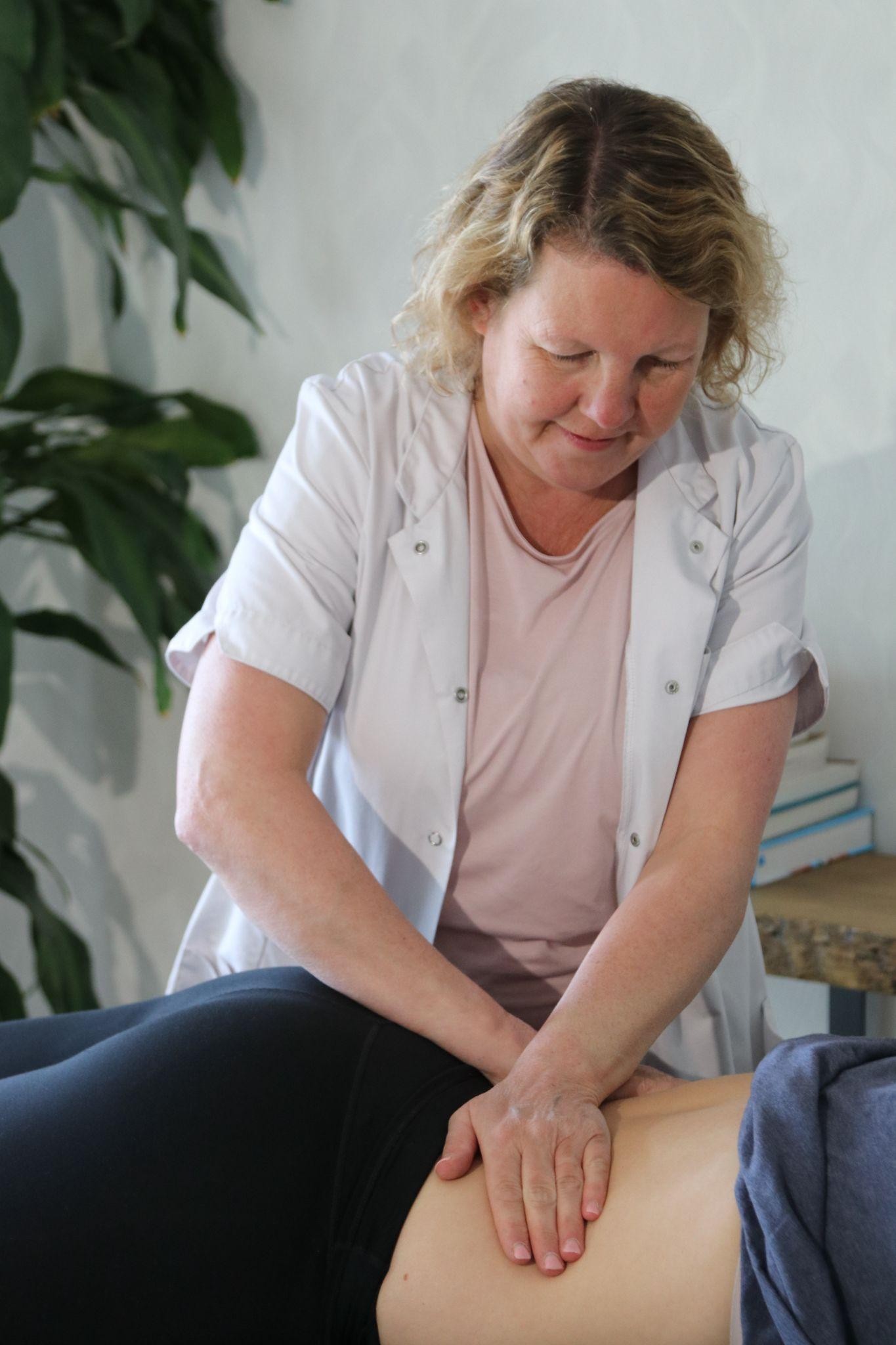
Manual Therapy

Hands-on treatment including myofascial release, trigger point therapy, pelvic floor assessment for men and women, and joint mobilisation.
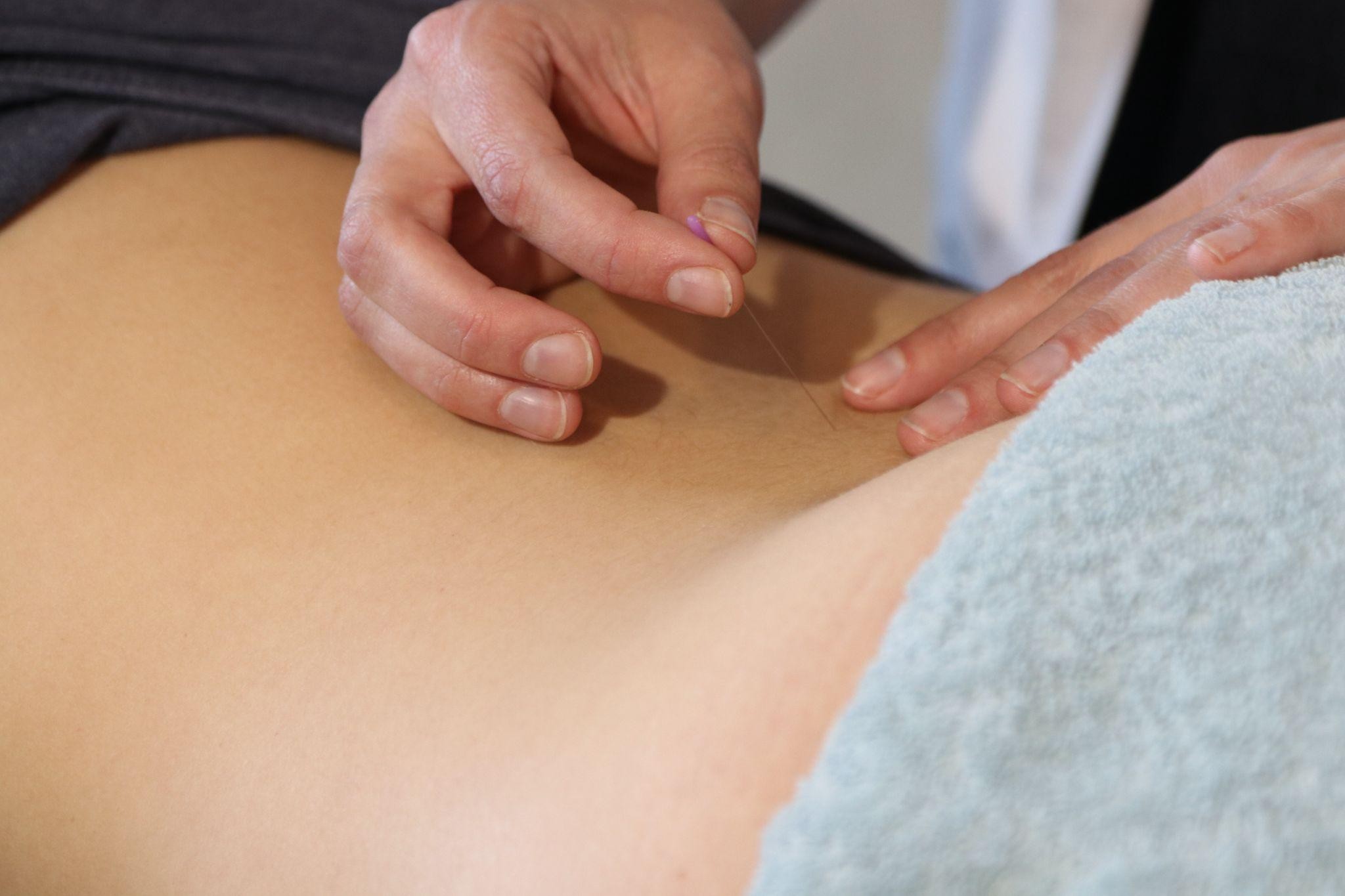
Dry Needling

A targeted technique to release muscle tension and trigger points in the body and pelvic floor.
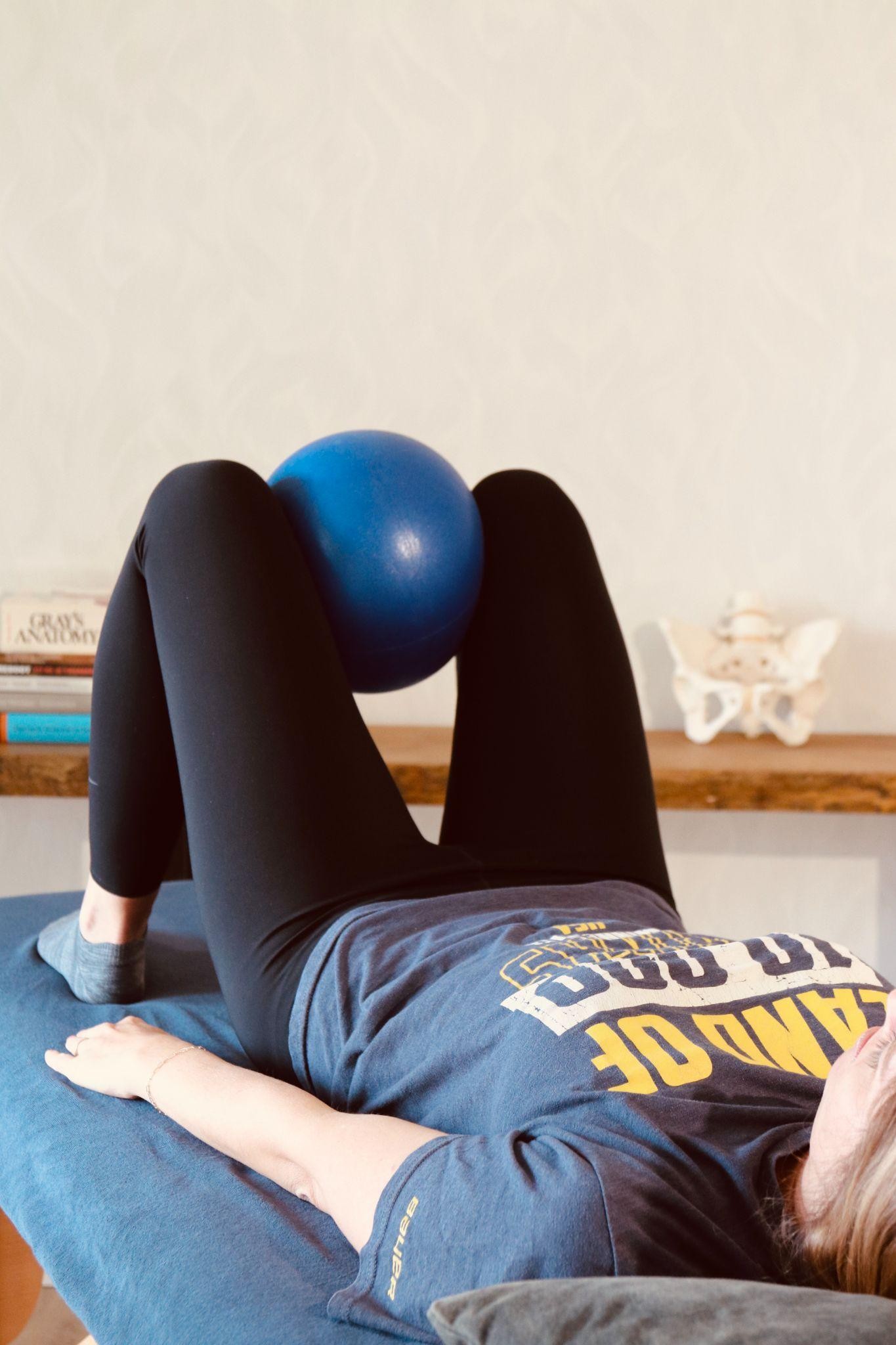
Exercise Therapy

Pelvic floor muscle training, functional rehabilitation and personalised exercise programmes.
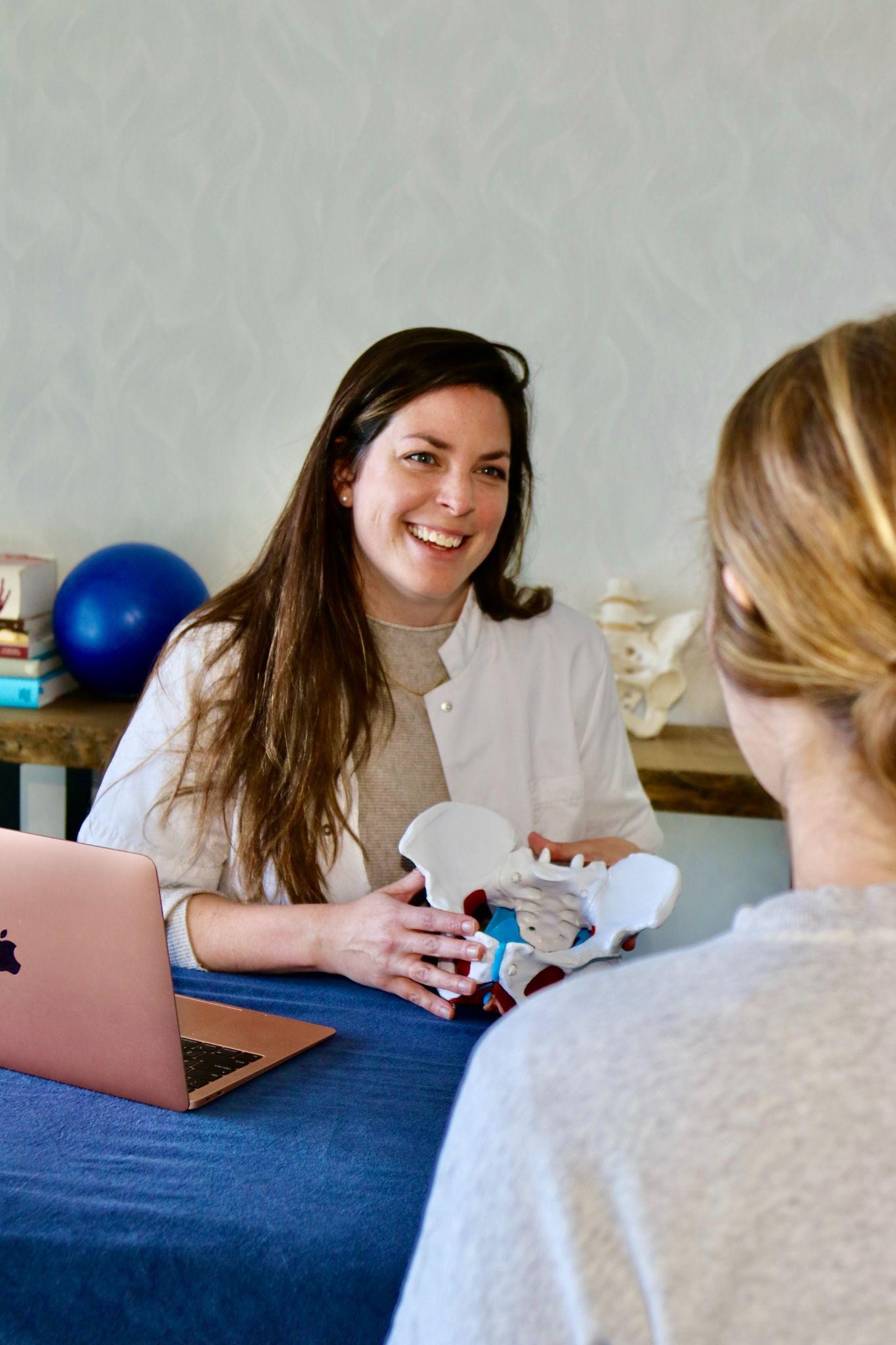
Bladder & Bowel Training

Personalised strategies to improve bladder, bowel and pelvic floor function.
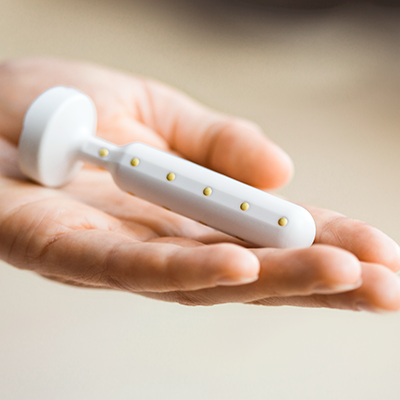
Biofeedback

MAPle, Electromyography and Functional Electrical Stimulation
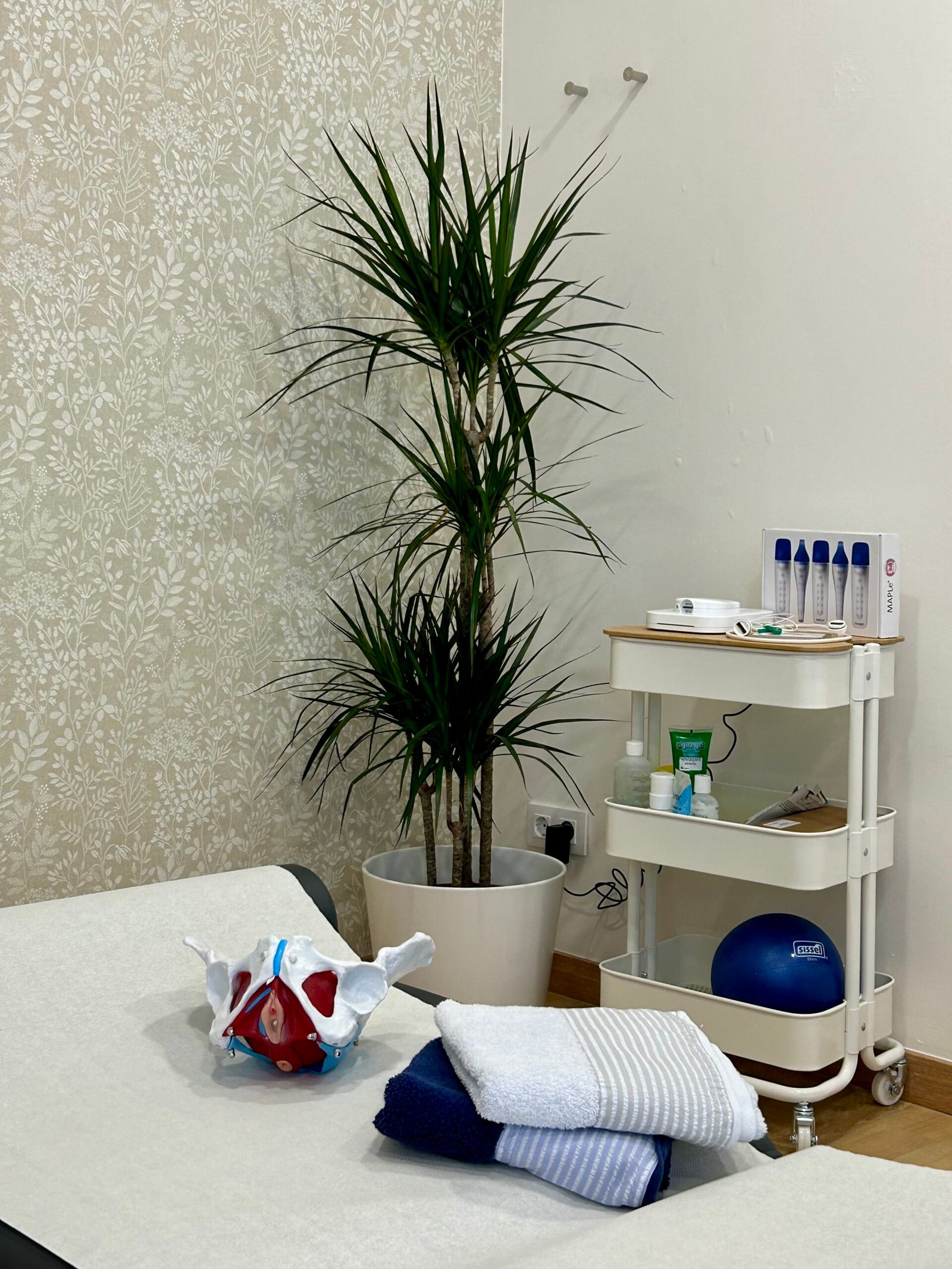
MAPLe Advanced Pelvic Floor Assessment

At PelviFit, we use the MAPLe system, an advanced biofeedback technology designed for precise pelvic floor assessment and rehabilitation.

By analysing different areas of the pelvic floor muscles, we can understand more precisely how the pelvic floor is functioning. This helps us identify the type and location of a dysfunction and plan appropriate treatment.

The assessment is gentle and safe, and it is always performed with a full explanation and respect for the patient’s comfort.

One of the few clinics in Spain offering this advanced technology.

Expert care, lasting confidence

Specialized Expertise

With over 40 years of combined international experience, our physiotherapists focus exclusively on pelvic health for women, men, and children. You’ll receive care from true specialists.

Personalized, Patient-Centered

We tailor every treatment to your unique needs. No rushed sessions, no one-size-fits-all plans—just compassionate, evidence-based care designed for you.

Trust, Comfort & Results

We provide a safe, respectful, and supportive environment where sensitive issues can be addressed with confidence. Our goal is simple: helping you restore comfort, strength, and quality of life.

Testimonials

What Our Patients Say

Your Health, Your Comfort, Your Choice